Why LPG Composite Cylinders Are the Future of Safe Gas Storage
LPG Composite Cylinders
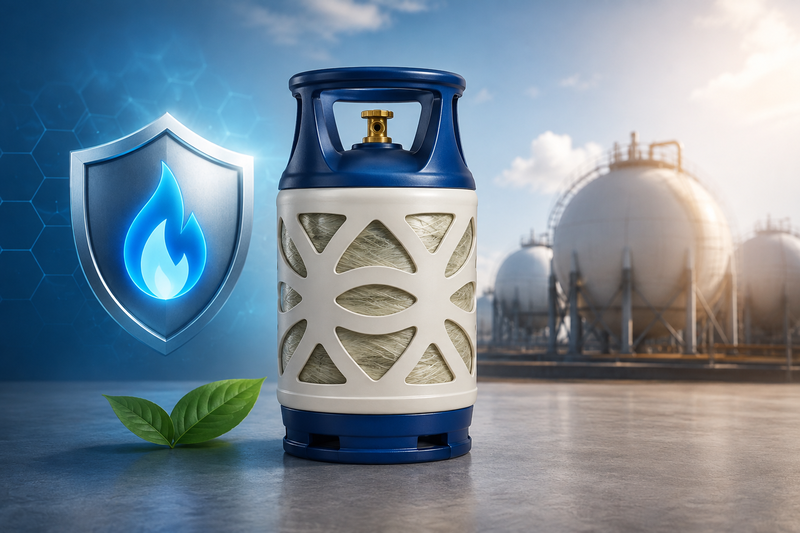

As industries, businesses, and households continue to prioritize safety, efficiency, and sustainability, the demand for advanced LPG storage solutions continues to grow. Traditional steel cylinders have served the market for decades, but modern engineering has introduced a better alternative in the form of LPG composite cylinders. Designed for superior performance, these cylinders offer improved safety, lightweight handling, corrosion resistance, and long-term durability. If you're looking for a trusted LPG Composite Cylinder Manufacturer, choosing high-quality composite cylinders can help improve operational efficiency while ensuring reliable gas storage for a wide range of applications.
In this article, we'll explore why LPG composite cylinders are becoming the future of safe gas storage, their key advantages over conventional steel cylinders, and why industries around the world are making the switch.
What Is an LPG Composite Cylinder?
An LPG composite cylinder is a modern gas storage cylinder manufactured using advanced composite materials instead of conventional steel. These cylinders are typically constructed with a high-density polymer inner liner, reinforced fiberglass layers, and a durable outer casing.
Unlike traditional steel cylinders, composite cylinders are lightweight, corrosion-resistant, and designed to withstand demanding operating conditions. Their innovative construction offers excellent structural strength while making them easier to transport, handle, and maintain.
Because of these advantages, composite cylinders are increasingly being adopted across residential, commercial, industrial, and energy sectors.
Why the LPG Industry Is Moving Beyond Steel Cylinders
Steel LPG cylinders have been widely used for decades because of their durability and availability. However, changing safety expectations, rising transportation costs, and the need for more efficient handling have highlighted several limitations of traditional steel cylinders.
Heavy weight, susceptibility to rust, higher maintenance requirements, and the inability to easily monitor the remaining gas level are some of the common challenges associated with steel cylinders.
Composite cylinders address these issues by combining advanced materials with innovative engineering, making them a smarter choice for today's LPG storage requirements.
Key Benefits of LPG Composite Cylinders
Enhanced Safety
Safety is one of the primary reasons why LPG composite cylinders are gaining popularity worldwide.
Unlike conventional steel cylinders, composite cylinders are manufactured using advanced materials that provide excellent structural performance under demanding conditions. Their non-corrosive construction helps maintain strength over time, reducing the risks associated with long-term deterioration.
Many composite cylinders are also designed with advanced safety features that help minimize risks during extreme situations by allowing controlled pressure relief under certain fire conditions rather than sudden structural failure.
These features make composite cylinders an excellent choice for applications where safety is a top priority.
Lightweight Design
One of the biggest advantages of LPG composite cylinders is their lightweight construction.
Compared to steel cylinders, composite cylinders are much easier to:
Lift
Carry
Transport
Install
Replace
This not only improves convenience for homeowners but also reduces physical strain for delivery personnel and industrial workers.
Businesses transporting large quantities of cylinders also benefit from reduced logistics costs and improved operational efficiency.
Excellent Corrosion Resistance
Rust is one of the biggest challenges associated with steel LPG cylinders.
Exposure to moisture, rain, coastal environments, or chemicals can gradually corrode steel surfaces, increasing maintenance requirements and affecting appearance.
Composite cylinders eliminate this problem because they are naturally resistant to corrosion. They maintain their performance and appearance even when used in humid or chemically aggressive environments.
This makes them ideal for:
Coastal regions
Marine applications
Chemical industries
Manufacturing facilities
Outdoor installations
Easy LPG Level Visibility
Many LPG composite cylinders feature a translucent outer body that allows users to estimate the remaining gas level visually.
Traditional steel cylinders do not provide this convenience, making it difficult to know when a refill is required.
Being able to monitor the gas level helps users:
Plan refills in advance
Avoid unexpected gas shortages
Improve operational planning
Increase convenience in daily use
Lower Maintenance Costs
Composite cylinders require significantly less maintenance than traditional steel cylinders.
Since they do not rust or corrode, there is no need for frequent repainting or surface treatment. Their durable construction helps maintain both functionality and appearance over an extended period.
Lower maintenance translates into:
Reduced operating costs
Less downtime
Longer-lasting appearance
Improved reliability
Longer Service Life
Composite materials are engineered for durability and long-term performance.
These cylinders are highly resistant to:
UV exposure
Moisture
Weather conditions
Surface damage
Environmental wear
When properly maintained according to industry standards, composite cylinders provide dependable performance throughout their service life.
Improved Transportation Efficiency
Weight has a direct impact on transportation and logistics costs.
Because LPG composite cylinders are considerably lighter than steel cylinders, businesses can improve efficiency throughout the supply chain.
Advantages include:
Easier loading and unloading
Better warehouse handling
Reduced transportation effort
Improved delivery efficiency
Lower fuel consumption during distribution
These benefits contribute to better productivity and long-term operational savings.
LPG Composite Cylinders vs Traditional Steel Cylinders
Although steel cylinders have been used successfully for many years, composite cylinders provide several practical advantages that make them better suited for modern gas storage requirements.
Composite cylinders are much lighter, making them easier to handle during transportation, installation, and everyday use. Their corrosion-resistant construction eliminates the rust-related problems commonly associated with steel cylinders, especially in humid, coastal, or industrial environments.
Another significant advantage is transparency. Many composite cylinders allow users to visually check the remaining LPG level, making refill planning easier and reducing unexpected interruptions.
Composite cylinders also require less maintenance because they do not need regular repainting or rust treatment. Combined with their advanced safety features and longer service life, they provide a more efficient and reliable solution for residential, commercial, and industrial applications.
Applications of LPG Composite Cylinders
The versatility of LPG composite cylinders makes them suitable for numerous industries and applications.
Residential Use
Homeowners benefit from lightweight handling, improved safety, and convenient gas level visibility for everyday cooking needs.
Commercial Businesses
Hotels, restaurants, catering services, and food trucks appreciate the ease of transportation and faster cylinder replacement.
Industrial Applications
Manufacturing facilities, fabrication units, warehouses, and processing industries rely on composite cylinders for safe and dependable LPG storage.
Agriculture
Composite cylinders are widely used in poultry farms, greenhouse heating, crop drying, and various agricultural operations.
Marine and Coastal Industries
Because they resist corrosion, composite cylinders perform exceptionally well in coastal and offshore environments where steel cylinders are more vulnerable to rust.
Recreational and Outdoor Activities
Camping, caravans, outdoor kitchens, and recreational vehicles also benefit from lightweight composite cylinder technology.
Environmental Benefits
Modern industries are placing greater emphasis on sustainability, and LPG composite cylinders support these environmental goals.
Their lightweight design helps reduce fuel consumption during transportation, while their corrosion-resistant construction minimizes maintenance-related waste. Their long service life also contributes to more efficient resource utilization over time.
As businesses continue to invest in sustainable infrastructure, composite cylinders are becoming an environmentally responsible choice for LPG storage.
Quality Testing and Manufacturing Standards
Leading manufacturers follow strict quality control procedures to ensure that every LPG composite cylinder meets high standards of safety and reliability.
Common testing procedures include:
Pressure testing
Leak testing
Burst testing
Impact resistance testing
Environmental performance testing
Dimensional inspections
Final quality assurance checks
These evaluations help ensure consistent product performance across different operating conditions.
Choosing the Right LPG Composite Cylinder Manufacturer
Selecting the right manufacturer is just as important as choosing the right product.
Before making a decision, consider factors such as:
Manufacturing expertise
Industry certifications
Product quality
Research and development capabilities
Production capacity
Quality control systems
Technical support
Industry experience
Working with an experienced manufacturer ensures dependable products that meet modern safety and performance expectations.
The Future of Safe Gas Storage
The LPG industry is steadily moving toward safer, lighter, and more efficient storage solutions. As technology continues to evolve, composite cylinders are becoming the preferred choice for businesses and consumers seeking improved performance without compromising safety.
Growing awareness about workplace safety, lower maintenance costs, operational efficiency, and environmental sustainability is accelerating the adoption of composite cylinder technology across global markets.
With continuous advancements in composite manufacturing, LPG composite cylinders are expected to become the industry standard for safe and reliable gas storage.
Conclusion
LPG composite cylinders represent a major advancement in gas storage technology. Their lightweight construction, corrosion resistance, enhanced safety, and lower maintenance requirements make them a practical alternative to traditional steel cylinders.
Whether used in homes, commercial establishments, industrial facilities, agriculture, or marine applications, composite cylinders offer long-term value through improved efficiency, durability, and reliability. As industries continue to embrace modern engineering solutions, LPG composite cylinders are well-positioned to shape the future of safe gas storage.

Comments
No comments yet. Be the first to comment!